
Borderline Personality Disorder Symptoms, from Different Perspectives
Borderline Personality Disorder (BPD) affects about 0.7 to 2.7 per cent of people, yet many people still misunderstand the condition. BPD symptoms include intense emotions, unstable relationships, and a shifting sense of who they are. A view that includes the person with BPD as well as friends, partners, and family helps people understand the condition, reduces stigma, and encourages earlier support.
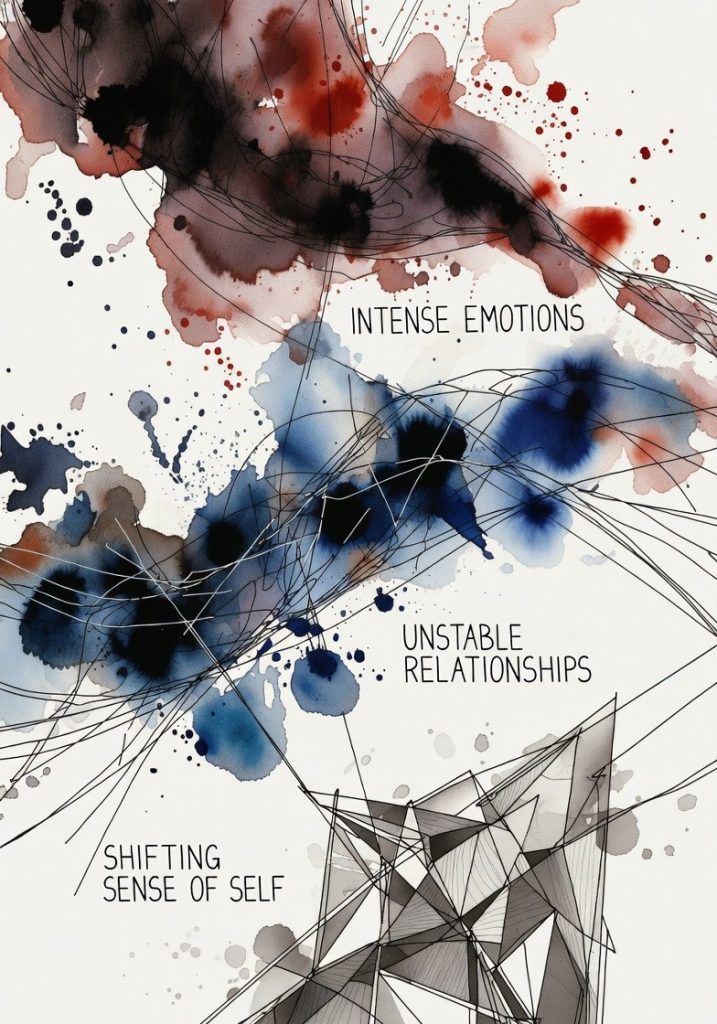
Table of Contents
What Is Borderline Personality Disorder?
BPD is a complex mental health condition that affects how a person regulates emotions, sees themselves, and relates to other people. Symptoms usually appear in adolescence or early adulthood and include emotional instability, intense fear of abandonment, impulsive behaviour, and an unstable self image. These patterns are not simply “difficult behaviours” or attention seeking. They reflect real neurobiological differences in how the brain handles emotion and control.
How Does BPD Feel? From the Person’s Perspective
The Internal Storm
Maybe the most common BPD symptoms is feeling trapped in an emotional storm without shelter. Emotions hit with strong intensity and shift fast, sometimes within minutes. Something that another person may take as a mild disappointment can feel like harsh rejection. A small conflict can bring on a heavy sense of worthlessness that feels real at the time.
People with BPD feel emotional pain that is real and severe, not exaggerated or manipulative. Many people with the condition describe emotions that hit at “200% volume”, while most of us feel them at normal levels. Such intensity makes it hard to keep emotions steady.
The Fear of Abandonment
A persistent, visceral fear of abandonment or rejection shapes the internal experience. This fear is not rational or proportionate. An intense dread can arise after minor events such as a partner who arrives home late, a friend who cancels plans, or someone who does not reply to a text message fast enough.
This fear drives behaviours that confuse or even frustrate others. A person with BPD may cling tightly to relationships and make frantic efforts to stop real or imagined abandonment. The same fear may also lead them to push people away first to avoid the pain of rejection they expect. Many people with BPD recognise that these patterns harm their relationships, yet they still feel it is not possible to change them.
The Shifting Sense of Self
Many people with BPD say they lack a stable sense of identity. Their view of themselves often changes with the people around them or the situation they face. They may copy the interests, values, or even the way others speak. This behaviour does not come from deception. Many people with BPD struggle to form a clear sense of who they are on their own.
Confusion about identity also affects how a person sees themselves. A person’s inner voice may swing from “I am capable and worthwhile” to “I am fundamentally broken and unlovable” within minutes. These sharp shifts make it hard to keep steady goals, stay on one career path, or build stable relationships.
Impulsivity and Self-Harm
When emotional pain becomes unbearable, many people with BPD engage in impulsive behaviour such as sudden big purchases, substance use, risky sexual behaviour, speeding on the road, or large uncontrolled meals. These actions give brief relief from intense emotional distress but later create more problems.
Self-harm behaviours such as cuts or burns are common, yet many people misunderstand them. These acts are not suicide attempts or bids for attention. People use them as unhealthy ways to cope with emotions, which may give a brief sense of control or relief from intense emotional pain. Physical pain can distract from psychological distress or help a person feel some emotion when they feel numb.
Moments of Clarity and Shame
Many people with BPD move through periods of clarity between emotional crises where they see how their behaviour affects others. This often leads to intense shame, guilt, and self hatred. They may wish they could “just be normal” or stop the pain they cause to people they love. This cycle of crisis, clarity, and shame can drain a person and adds to high rates of depression among people with BPD.
Does my Friend have BPD?
The Intensity of Connection
Friends of people with BPD often describe relationships that feel intense, worthwhile, yet hard. In the early stage of a friendship, a person with BPD may idealise a friend and see that friend as uniquely supportive. A BPD friendship may develop fast, with frequent contact and very personal conversations.
This intensity can feel flattering and build a strong bond, but it can also overwhelm the other person. A person with BPD might expect you to stay available all the time, they may react with distress when plans change, or take normal friendship boundaries as rejection.
The Sudden Shifts
Friends often struggle with the sudden shift from idealisation to devaluation.
A person may call a friend “the best person ever” one day, then see that same friend as “the worst person ever“, cold or disloyal after a slight they believe occurred.
These shifts can happen fast and with no sign ahead of time. Friends then feel bewildered and wonder what they did wrong.
These perceptions are not manipulative. They reflect a cognitive pattern known as split or black and white thought. People with BPD struggle to hold nuanced views of others. A person is either all good or all bad, with little middle ground. This pattern makes it hard for them to integrate positive and negative qualities into a balanced perception.
Crisis Calls and Emotional Demands
Friends often receive late night calls or messages during a crisis. A person with BPD may feel real distress, with suicidal thoughts, severe anxiety, or deep loneliness. Friends usually want to help, but repeated crises and their intensity can leave them exhausted.
Friends may notice a pattern where crises ramp up when they set boundaries or spend time with other people. This reaction usually comes from strong fear of abandonment and poor emotion regulation, both common in BPD, rather than a deliberate attempt to manipulate others.
The Rewarding Aspects
Friendships with people who have BPD do not revolve only around problems. Many people with BPD show strong empathy, creativity, and passion. They often stay loyal and emotionally present with friends. When they direct their intensity in healthy ways, they can become engaging, supportive friends who understand other people’s emotional pain.
Does my Partner have BPD?
The Rollercoaster of Romance
Romantic relationships with someone who has BPD often start with very intense emotions. The early stage can feel like an ideal romance, with strong passion, constant contact, and a sense of deep connection. The person with BPD may idealise their partner, place them on a pedestal, and give them a lot of attention and affection.
As the relationship develops, many couples run into confusing patterns. Behaviour that once felt normal can suddenly spark strong reactions. A partner who needs to work late, spends time with friends, or asks for space may be labelled as distant or uninterested. The other person may read this as abandonment and respond with repeated calls, urgent messages, or angry accusations.
Walking on Eggshells
Many partners say they feel as though they walk on eggshells. They watch their behaviour to avoid an emotional crisis. Small comments or actions can lead to intense arguments, accusations, or emotional withdrawal. This unpredictability creates a stressful environment. Partners stay alert about their words and actions, yet, unsure when the next argument might start.
Partners often apologise even when they did nothing wrong because they want to calm the situation. Over time this pattern can wear down their sense of self and build resentment, even while they still care deeply for the person with BPD.
The Push-Pull Dynamic
One difficult pattern appears in the “I hate you, don’t leave me” dynamic. A person with BPD may express strong anger, contempt, or threats to end the relationship, then panic when a partner takes those words at face value. The same person may push the partner away with criticism or conflict, then try hard to pull them back once the risk of separation feels real.
This pattern comes from two internal fears that conflict with each other: fear of engulfment, where a person may lose a sense of self in a relationship, and fear of abandonment, where a person fears that a partner may leave them alone. The push away and the pull closer do not aim to manipulate, both actions show real emotions and fear.
The Impact on Intimacy
Physical and emotional intimacy can become complicated. A person with BPD may move between a strong desire for closeness and a sudden need to pull away. Impulsivity, trouble with trust, and memories of past trauma can disrupt sexual relationships. Many people with BPD report past abuse or neglect, and sexual contact can trigger those memories.
You may find that your loved one does not meet your emotional needs consistently while you are trying support your partner through their struggles. Many then feel guilty when they ask for support themselves. This gap between what each person gives and gets can place long term strain on the relationship.
Seeing the Person Behind the Symptoms
Many partners still report moments of close connection, openness, and love. When a person with BPD feels safe and steady, they often show care, insight, and loyalty in a relationship. Difficult behaviour usually grows from real distress rather than malice, and this understanding helps partners keep compassion while they set clear boundaries.
When Does BPD Start and How Can We Help? The Family’s Perspective
Recognising Early Signs
BPD symptoms often emerge in adolescence or early adulthood, though early signs may appear before that. Family members often look back and recognise patterns that they first took as “teenage moodiness” or normal teen pains.
Early indicators may include intense mood swings that seem disproportionate to the situation, extreme reactions to perceived rejection or criticism, and impulsive behaviour such as drug or alcohol use, risky acts, or sudden dramatic shifts in friend groups.
Other signs may include self-harm behaviour or suicidal statements, an unstable sense of identity with frequent shifts in goals, values, or self-description, intense and unstable relationships with peers, and a chronic sense of emptiness or boredom.
Not all adolescents who display these patterns have BPD, as some emotional volatility is normal in this stage of development. However, when the patterns stay intense over time and cause serious problems in daily life, a clinician should carry out a professional assessment.
What Helps: The Do’s
Acknowledge people’s emotions while refusing to accept harmful behaviour. Validation helps in these moments, you can accept the person’s feelings are real and make sense for them, even when the reaction looks stronger than the event. Say “I can see you feel really hurt about what happened” instead of “You are overreacting.”
Validation does not require agreement with distorted perceptions or acceptance of harmful behaviour. You acknowledge the person’s emotional reality but keep clear boundaries around behaviour.
Keep your boundaries consistent. Many people with BPD struggle with boundaries and respond better to clear, steady limits. Family members need to set rules about acceptable behaviour and keep them consistent and calm. Strict rules one day and relaxed rules the next raise anxiety and create confusion.
Urge people to seek professional treatment. Early treatment often leads to better results, but the family can’t be the treatment provider. However, they can encourage a loved one to seek specialised treatment and give practical help to access care. Families can research suitable providers, go to appointments when the person wants support, and deal with paperwork or treatment costs.
Make time for self-care. Support for someone with BPD can place heavy emotional strain on family members. Family members need to protect their own mental health through therapy, support groups, or respite. Self-care is not selfish, it is necessary to maintain long term support.
Educate yourselves. When family members understand BPD, they see that difficult behaviour comes from real distress rather than deliberate misconduct. This knowledge helps them avoid taking actions personally and supports a more empathetic response.
Aim for progress rather than perfection. Recovery from BPD takes time and effort. Small improvements such as fewer crisis calls, more use of skills to cope, and stable work reinforce positive change and keep hope alive when setbacks occur.
What Doesn’t Help: The Don’ts
Do not dismiss or minimise what they went through. Statements such as “You are too sensitive” or “That is not a big deal” just invalidate feelings and usually escalate distress rather than ease it.
Do not enable harmful behaviours. While empathy matters, family members should not shield a person from the natural consequences of their actions. When relatives step in to fix crises the person created, the person misses the chance to learn and the pattern continues.
Do not engage when emotions start to escalate. Reasoned discussion with a person in an intense emotional crisis rarely works. Focus on safety, stay calm, lower the tension, and leave serious discussions until emotions settle.
Do not make threats you will not carry out. Empty threats such as “If you do that again, I will…” damage your credibility and raise anxiety. Set consequences only when you plan to follow through.
Do not blame yourselves. Family environment can influence mental health, but BPD develops through a mix of genetic, neurobiological, and environmental factors. Self‑blame just punishes you, but does not match the evidence and does not help anyone.
Treatment and Hope
The Consequences of Untreated BPD
Without seeing a psychologist, BPD can lead to serious long-term effects. Research links untreated BPD with a much higher risk of suicide, with rates between 2 and 10 per cent in long term follow up studies. People with BPD often have other mental health conditions that occur alongside it, such as depression, anxiety disorders, anorexia or bulimia, PTSD, and substance use problems.
Many people face unstable relationships and have trouble keeping long term partnerships or friendships. Work can also suffer, and some people struggle to keep a job because of interpersonal conflict or strong emotional shifts. Physical health problems may also occur, such as cardiovascular disease, gastrointestinal disorders, chronic pain, obesity, and weaker immune function due to chronic stress. Social isolation and loneliness can follow damaged relationships. Impulsive behaviour can lead to legal or financial problems. Many people also report lower quality of life and less satisfaction with life.
The course of untreated BPD often follows a cycle of crisis, brief stabilisation, then another crisis. This pattern drains the person and their support network and blocks a stable, meaningful life.
Evidence-Based Treatments
People with BPD often improve when they receive the right treatment. Research shows clear progress when people get the care and support they need.
Dialectical Behaviour Therapy (DBT)
Dialectical Behaviour Therapy (DBT) has the most research support among treatments for BPD. The method uses individual therapy, skills groups, phone support, and therapist consultation teams. DBT teaches four skill sets: mindfulness, distress tolerance, emotion regulation, and interpersonal effectiveness.
Studies show that DBT reduces suicidal behaviour, self-harm, hospital admissions, and overall psychiatric symptoms. Benefits last up to 24 months after treatment ends. Recent research reports that shorter DBT programs of about six months work as well as the standard 12 month course, with 87% of participants keeping their gains two years after treatment.
Mentalization-Based Treatment (MBT)
Mentalisation-based treatment (MBT) aims to build a person’s ability to understand their own mental states and those of other people. Research reports lower rates of self-harm and better relationships with other people among those who receive MBT.
Schema-Focused Therapy
Schema-Focused Therapy addresses deeply held negative beliefs about the self and others that formed in early experiences. People learn to identify and change core schemas that keep BPD symptoms going.
Treatment Duration and Outcomes
Standard comprehensive treatment usually lasts 6 to 12 months, and many people show clear improvement within this period. However, stable day to day function and healthy relationships often require longer term support.
Long-term research provides genuine hope. Studies that track people with BPD over decades show that 93% achieve symptomatic remission that lasts at least two years. About 50 to 70% achieve full recovery, which researchers define as symptom remission plus stable work and social life. Severe symptoms, in particular self-harm and suicidal thoughts, drop within the first few years of treatment.
Benefits from treatment persist over the long term, with further improvement over time. Importantly, research demonstrates that individuals who receive appropriate treatment recover faster and more fully than those who do not. The gap between treated and untreated BPD remains large and shows the value of early help.
The Role of Medication
Doctors do not prescribe medication to treat BPD itself. Clinicians may prescribe medicines for related conditions such as depression, anxiety, or unstable mood. Medication usually supports psychotherapy rather than replacing it as the main treatment.
What to Expect in Recovery
Recovery from BPD rarely follows a straight line. Setbacks and difficult periods often sit alongside progress. Consistent treatment and steady support help many people with BPD learn to regulate emotions, build stable relationships, keep steady work or study, reduce or stop self-harm behaviours, form a clearer sense of identity, and enjoy greater satisfaction with daily life and wellbeing.
The process takes courage, commitment and patience from the person and the people around them. Progress may move slowly at times, but research shows that the right support and intervention can lead to real change.
When to Seek Help
If you recognise these patterns in yourself or someone close to you, seek a professional assessment as a first step. Early help works best for BPD. Treatment has better results when it starts before habits set in and before problems build in relationships, work, and self‑esteem.
The most common BPD symptoms are: persistent patterns of unstable relationships with cycles of idealisation and devaluation. Intense fear of abandonment that leads to distress and harmful behaviour. An unstable self image or weak sense of identity. Impulsive behaviours in at least two areas that may cause harm, such as large unplanned purchases, drug or alcohol use, risky sexual behaviour, dangerous use of a car, or binges with food. Repeated suicide attempts, threats, gestures, or self harm. Emotional instability with intense and rapid mood shifts. Long term feelings of emptiness. Strong anger or poor control of anger. Short periods of paranoia under stress or severe dissociation.
A mental health professional with experience in personality disorders needs to carry out a thorough assessment for an accurate diagnosis. Many BPD symptoms overlap with other conditions, and a clear diagnosis helps guide the right treatment plan.
BPD Symptoms, the Way Forward
Life with BPD, whether you have the diagnosis or love someone who does, can feel hard. BPD brings intense emotions, strained relationships, and impulsive behaviour that cause real distress for everyone involved. Many people still describe BPD as untreatable and lifelong, but current evidence shows a different picture.
BPD is in fact treatable, recovery is common, and real change is possible, even if it takes time. People with BPD can develop skills to regulate emotions, build stable relationships, and create full lives. The journey requires courage, professional support, and patience, but the destination, a life characterised by emotional stability, authentic connections, and good mental health, is achievable.
If you or someone you care about has symptoms of BPD, seek professional support for them and yourself. Early intervention improves outcomes and cuts years of distress that untreated BPD may cause. A request for help shows strength, not weakness.
Recovery often begins when a person accepts that change is possible and looks for specialised support that can help them make that change. With suitable treatment, steady support, and personal effort, many people with BPD move from repeated crises to a more stable and satisfying life.
Recovery often happens. Research shows clear results, treatments work for many people, and many people report better outcomes over time. Professional support is available if you want to start, and there are solid reasons to feel hopeful.